Playland
It was the final closing of the garage door; it wouldn't open until late April. A puff of sandy dust rose as the grimy rubber hit the concrete, sealing the space. With luck, it would block cold and water. Rain, snow, and salt air—New England weather would test it, as always, with mixed results.
The black rubber edge was grey and brittle—a silent threat. A slight darkness washed over Ben. Another project, thing ready to fail, another worry. More work and blame awaited him. Even when his thoughts left the gasket, the gloom lingered. It had been collected.
“Another one down.” The voice was Mike’s, his familiar tone bringing comfort.
“Yeah, another year, another dollar.” Ben forced some energy out. “Let’s hope she stays sealed through winter.” He enjoyed these simple talks with Mike—the easy back-and-forth of stating the obvious. Ben remembered he didn’t need to force enthusiasm with Mike. The darkness eased a bit. Mike continued down the sidewalk, searching for the next connection, leaving Ben alone with his thoughts.
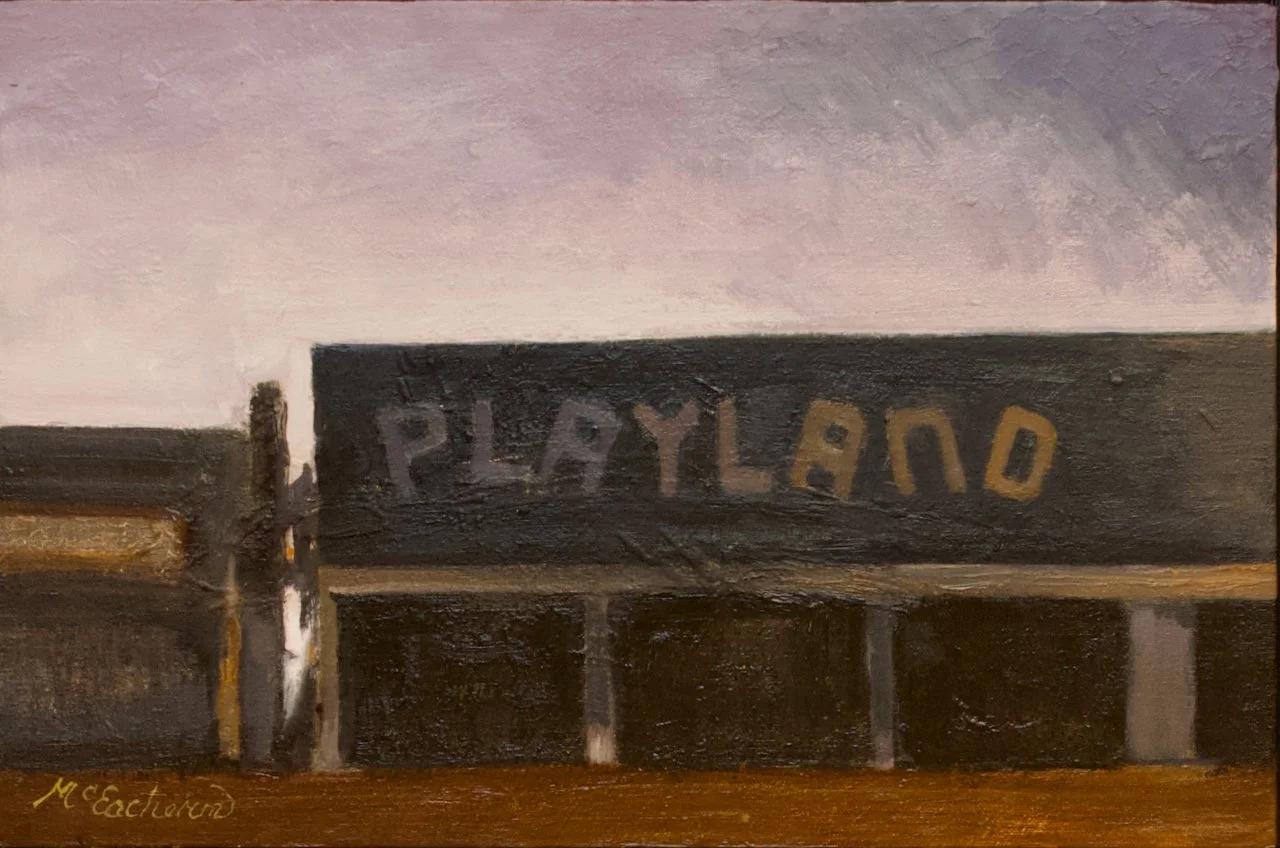
He looked up from the dusty corner by the door, trying to remember the last time he replaced that gasket. He was certain it was a Fourth of July weekend, about 15 years ago. The crowds were huge despite storms—business was “Critical Mass,” as Stan liked to say. Stan owned Playland, inherited from his dad, and often dispensed favorite phrases from his cluttered office. “You need to spend money to make money” was a classic Stan gem. He ran things for years, seated at his messy desk, pointing out the obvious.
That weekend, they replaced the seal early before crowds hit. Water from a Thursday storm had nearly damaged the new Asteroids machine. It must have been summer 81 if that was the “Playland Showcase” machine—another of Stan’s terms for the first machine at the arcade entrance.
Cody was the maintenance guy that summer. (Whatever happened to him?) Ben remembered starting the job before Playland opened to avoid the crowds. The sidewalk in front was only 3.5 feet wide, dropping right to Ocean Avenue, so they couldn't block foot traffic. Otherwise, the Town of Rangely Beach would call Ben, as they'd done many times before. Wendy, the town clerk, would call Stan with pleasantries, then politely ask for Ben. With him, she skipped small talk and went right to the complaint, violation, or demand. Afterward, Stan would always remind Ben, “She’s a nice lady, that Wendy.”
“Yeah, she’s wonderful,” Ben would say, pulling from his limited reserve of enthusiasm.
He remembered talking to Cody the afternoon before the repair, suggesting an early morning start. These situations weren’t uncommon in summer, but Ben always felt uncomfortable about them.
“Cody, we need to be here at 4:30 am to be sure we are ready to go at 8. Coffee’s on me—what do you like in it?” Ben asked, striving for warmth. Cody’s eyes lit up, pleased by the gesture. “Wow, cool, three sugars and black.” Ben pressed on. He wanted—needed—to feel like a good boss. “And what kind of muffin do you like?” Cody hesitated, suspicion showing in his gaze. “A blueberry is not bad,” he shrugged. The uncertainty lingered, and Ben felt the wave of darkness rise again, only to stay beneath the surface.
That morning stood out. In the dim pre-dawn, Cody stood under the half-open garage door, muscular arms inked, extended upwards, blue work gloves on his hands, a screwdriver in his hand. Behind him stretched the vast, dark arcade, its low ceiling fading into shadow except for a row of vibrant pinball machines—Cody must have missed that breaker. Their playful lights competed to attract the attention of distracted visitors, a testament to someone’s effort to win attention on a bustling beachfront.
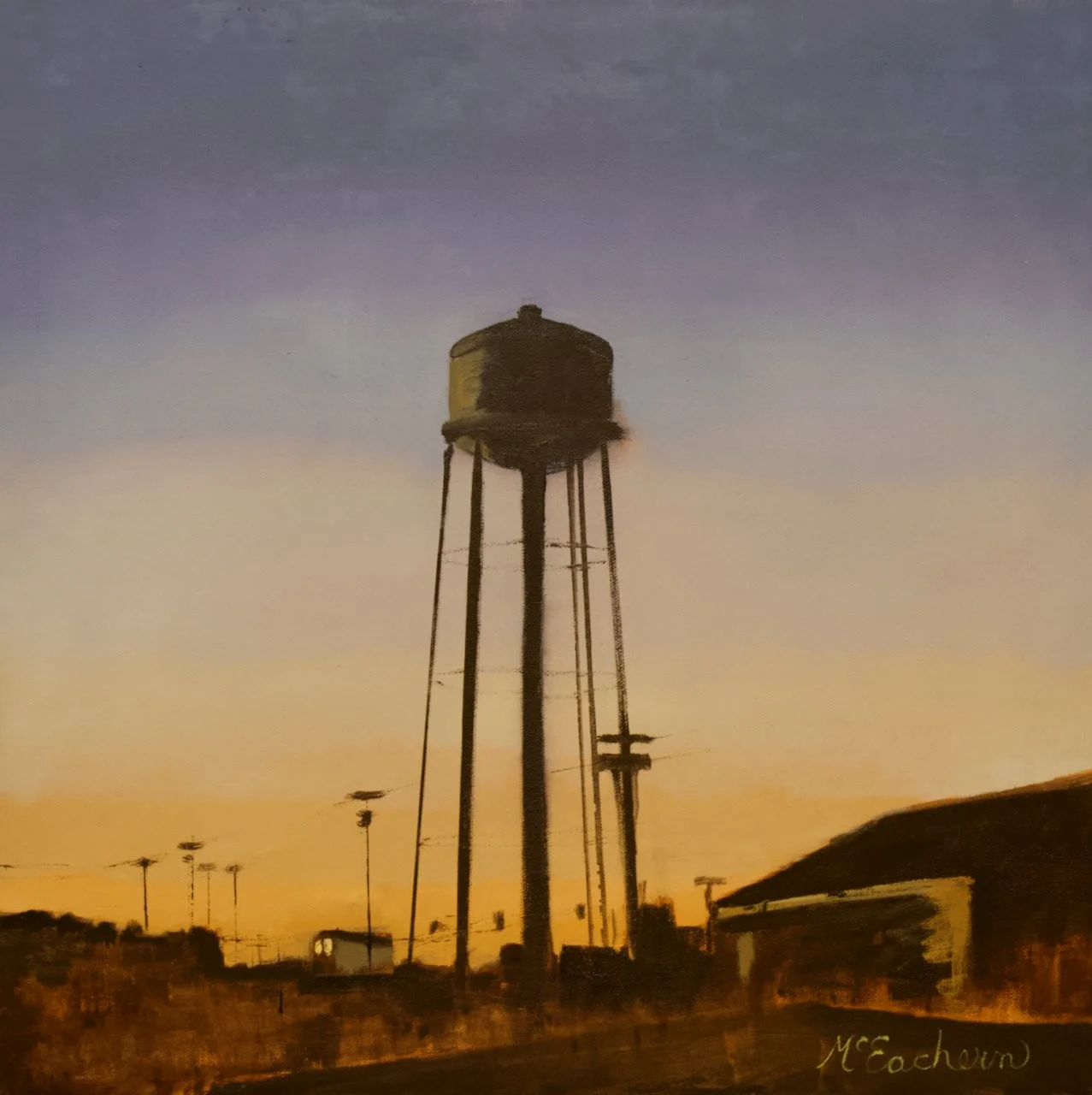
Watching Cody struggle with the new seal, a beam of Atlantic sunrise bathed the scene. The deep orange light washed over Cody and Playland’s facade, sending purple shadows down the cement, extending from Cody's stretched body and the Showcase machine.
Ben let out a slight gasp and stepped back to look.
He had never seen Playland like this. It was usually projects, problems, Stan’s phrases, troublesome teens, and the ever-present smell of greasy dough.
He was stunned, almost undone, by the unexpected, raw beauty.