In my global sales role at a large chemical company, I was exposed to self-improvement books, classes, and seminars. Carnegie’s How to Make Friends and Influence People and Covey’s 7 Habits of Highly Effective People were standouts. Immersion in these ideas was impactful. I remember one key message: “Every interaction matters, and everything counts.”
That is a terrifying statement. Isn't this stuff supposed to make us feel better and more empowered in life? This idea makes me feel even more overwhelmed.
Reflecting on this today, I am not convinced this concept is accurate. However, my view is that what we do or think shapes how our brain works going forward. So, to me, everything matters—not because of the impact on the world, but because where we focus our attention determines how our minds function.
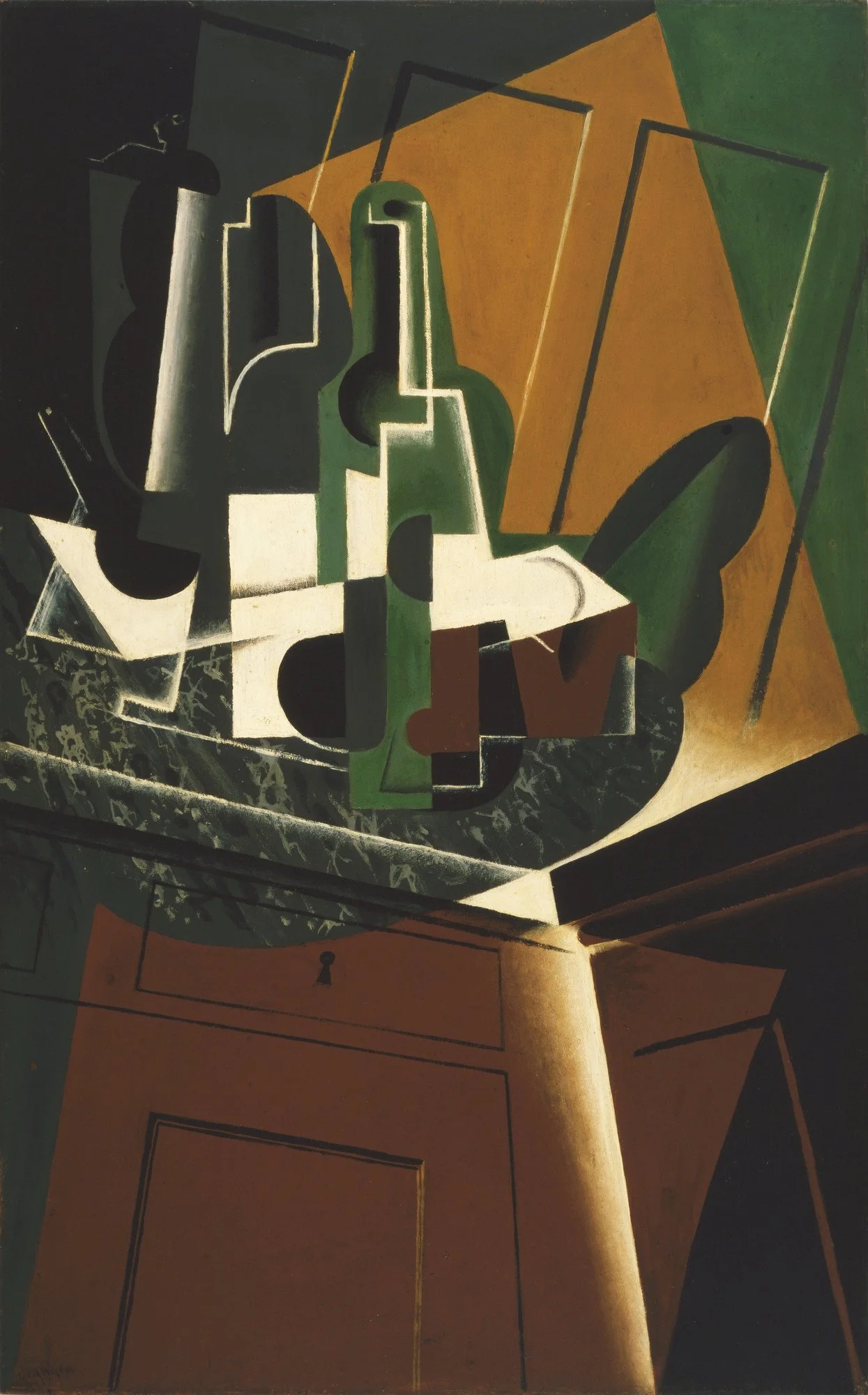
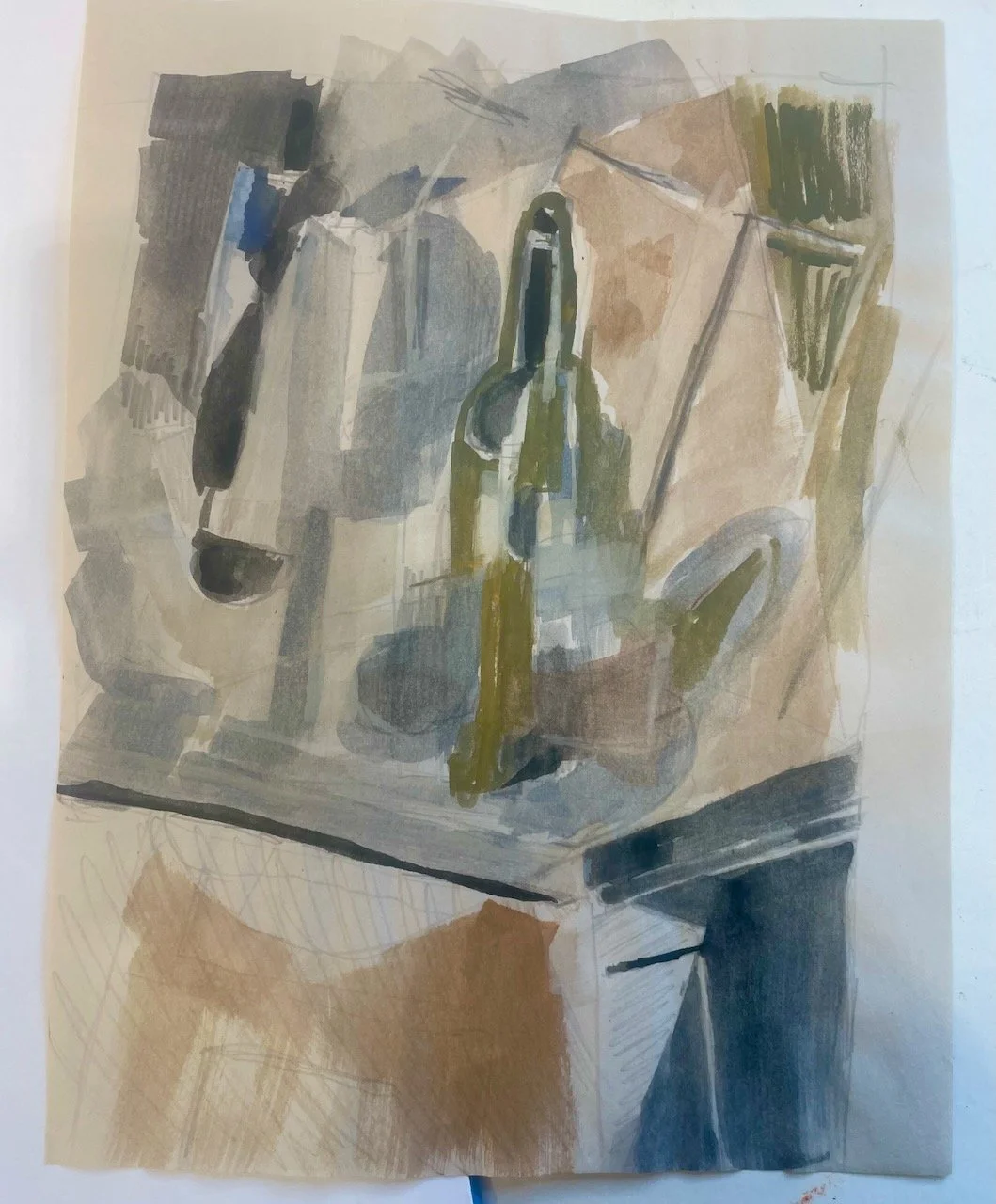
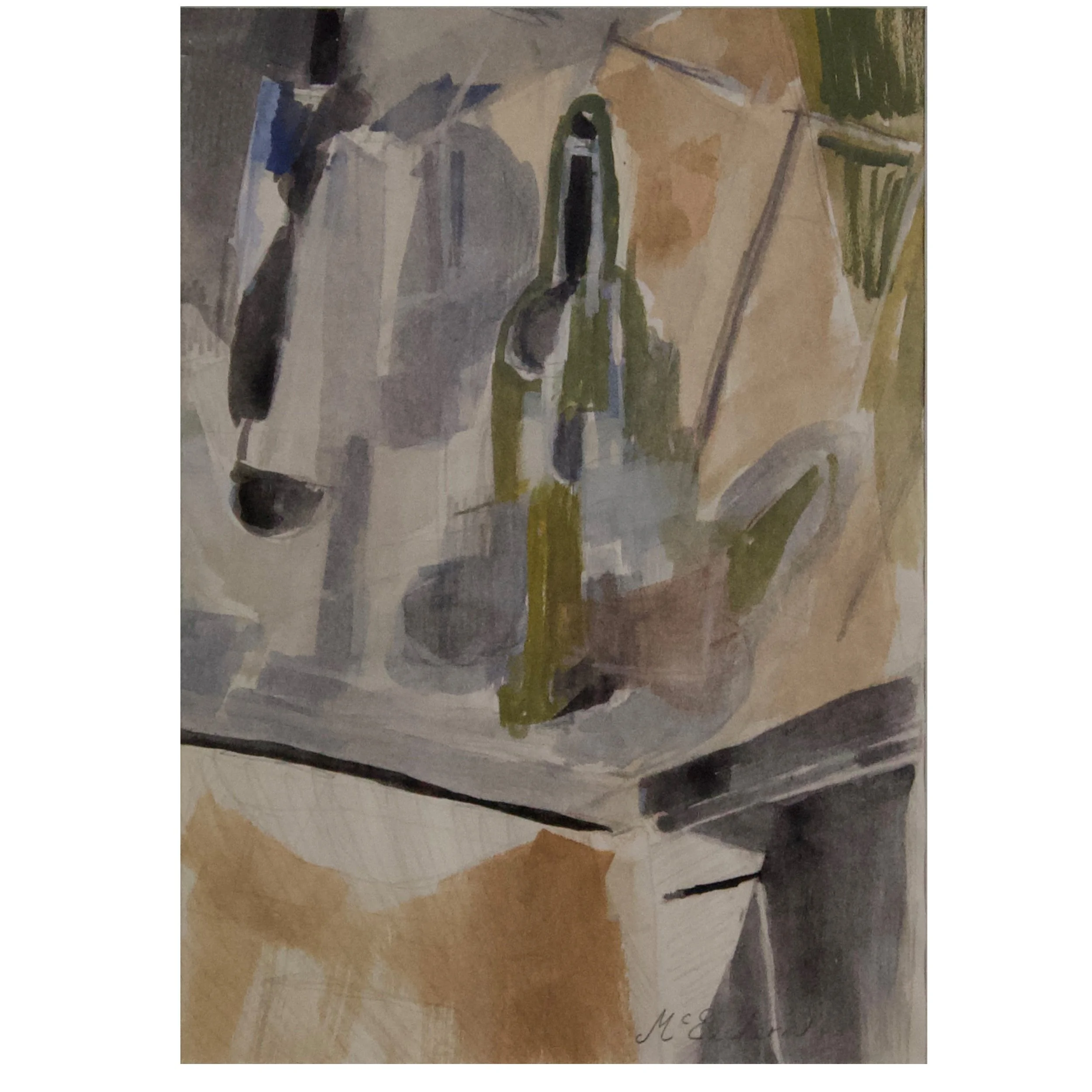
My first inkling of this occurred when I started studying painting. While I had always been comfortable drawing and working with paint, I began formally studying the process—the sequence of steps, the workflow. You begin by focusing on overall composition, identifying the darkest and lightest values, and finding the largest shapes. Small details, such as nuanced value changes or minor elements, are left for later. This logical sequence reduces the risk of premature decisions and yields better results.
Much to my surprise, this new learning immediately affected the professional work I was concurrently doing as a project manager. While I always knew there was an order to the decision-making required to plan and run a project (start by determining scope, create a list of deliverables, create a high-level plan), this new brain activation from painting brought the PM understanding to a new level of fidelity and color. Yes, it's true - I now saw the same PM challenge and tasks I had been dealing with for years in a fresh, more vibrant, and clearer way.
My learning about painting informed my project management.
After immersing myself in painting, I began studying piano. With little prior training, I learned from an inspiring teacher who made many aspects of piano and music accessible. The experience felt like unlocking a new, beautiful world to explore.
One of the most surprising learnings was understanding the structure of music, called music theory. Western music has a language that we all understand, even if we don't realize it. We all know when music is significantly off-key. If someone starts hitting random piano keys, even someone with no music theory experience will know it doesn't sound right. In the same way, someone with no drawing experience will know that human figure or face drawing is off a bit.
This is because of the music rules: various keys, scales, chords, and chord progression (fascinating!). And these rules create the structure and language that relates to human emotion (i.e., minor chords are “sad”). And this language allows a composer to tell a story with sound.
And wouldn't you know it, this new musical brain activation and stimulation started to affect my painting.
I never really bought into abstract art. In my podcast Eager To Know, I continually interviewed abstract artists and peppered them with questions, trying to understand how something with no direct connection to our visual world could be valid and valuable. I loved and resonated with much of this abstract painting, but I couldn't reconcile how to quantify its value in my head. If I can’t compare a painting to a real-world concept, how can I be sure it is well executed?
When I realized that music, specifically classical music, is completely abstract and, through my studies, came to know how beautiful it is, how valuable it is in the world, and how talented its creators are. When Mozart composed, he was not trying to replicate a sound we hear in the world, like a bird or an ocean wave. He was bringing us on an emotional journey that is somehow connected to the world of sound we live in. The art can be just about the emotional journey it takes us on. We don’t gauge the value of musical works by how closely they resemble our world. In the same way, in painting or visual art, we don't have to judge a work by how closely it matches what we see in the physical world. It can just take us on a journey.
After this realization, I began creating abstract paintings inspired by music. Musical patterns, structure, and rules began to appear on my canvas, guiding my process and influencing my work from that point forward.
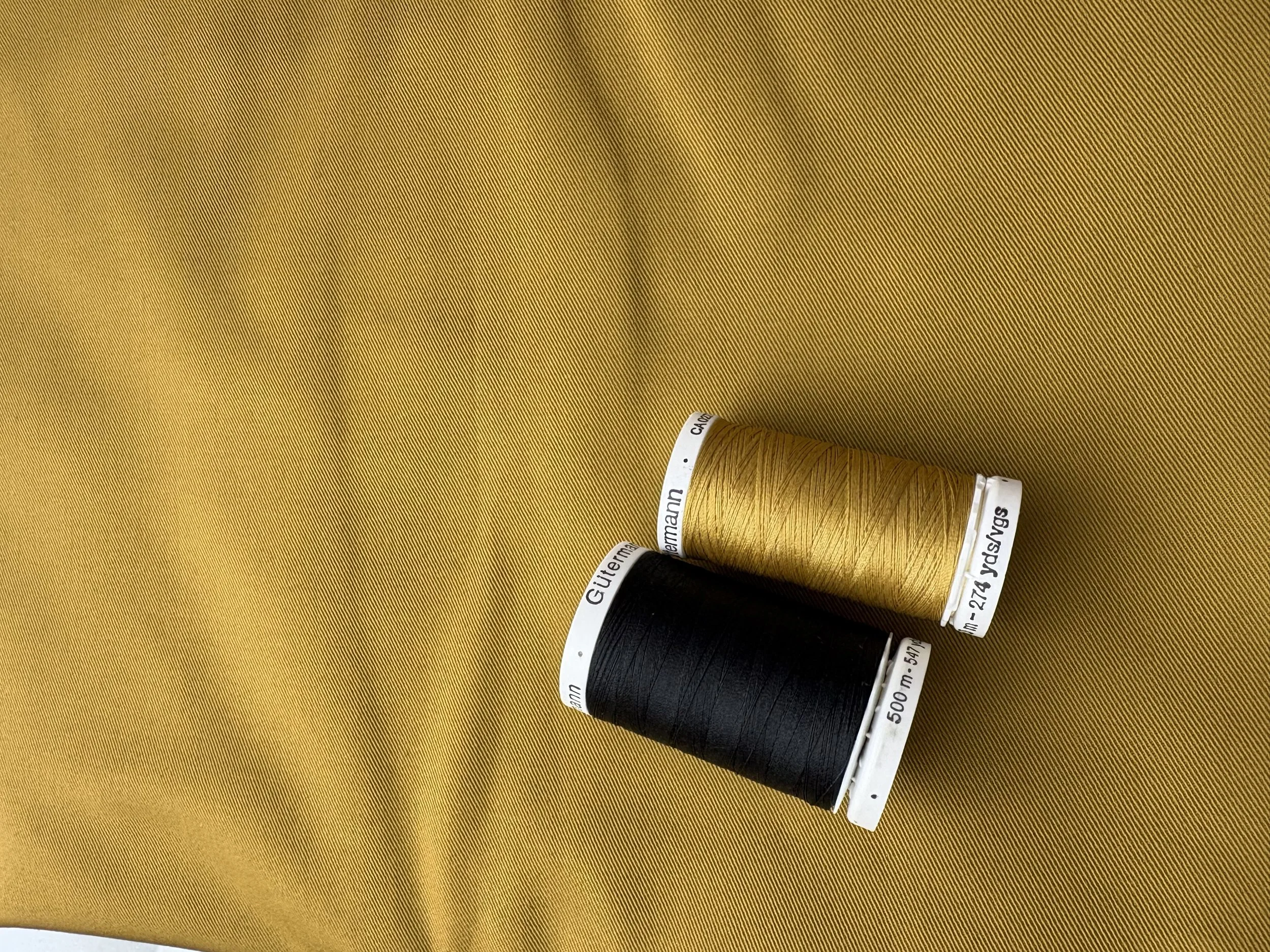
My most recent brain activation has been sewing, specifically making men’s garments—shirts and pants for myself. While most people start with simple projects like throw pillows or table runners, I began by making a men's shirt with a collar and cuffs. This bold start was great, and with YouTube's help, I became competent very quickly.
Garment construction is another whole new world, with its own rules, best practices, and language. The first time you read a men's shirt sewing pattern can be bewildering, but within a few shirts, I learned the language and techniques.
Sewing demands dexterity and an understanding of how fabric's two sides and various pattern pieces come together spatially. This is the most challenging aspect—operating the machine is fairly straightforward. By following patterns, my focus shifts from creativity to closely following instructions and employing dexterity. Tasks like flattening large pieces of fabric, handling different fabric types, threading needles, and hand stitching each require attention. My sewing machine is modern but entirely mechanical—no sensors—so the process is hands-on, engaging with gears, fabric, and needles. Frequent pauses are necessary to make mock-ups, discard imperfect components, and start anew; fabric is unforgiving after cutting and sewing. Sewing requires calm focus and patience; you must be present and attentive to your hands and the physical materials.
Garment-making has brought calm to my painting and project management, prompting me to plan team meetings as carefully as I would select an expensive fabric. On my last sewing project—a pair of jeans—I bought just enough denim, knowing that any mistake meant a 25-mile trip to the fabric store.
This level of attention, care, and calmness is not necessary all the time, but this is a new way of approaching the world I now have at my disposal.
It is a relief to know that not every interaction matters and that everything doesn't really count. It releases a bit of pressure with things. However, it is very interesting and powerful to be aware that where we focus our time, and our brain cycles will, in fact, change our minds, and this will, in fact, affect how we approach other things in our lives.
Be intentional about where you direct your focus, as it will shape your mind and approach to life.